

Sublimation fabric is a blank polyester textile material designed for dye sublimation printing, supplied in rolls before any graphics are printed, where heat and pressure transfer ink from sublimation paper into polymer-coated fibers to create durable and high-quality prints.
Sublimation fabric has become one of the most widely used materials in digital textile printing, signage, and custom textile applications. It is known for delivering high quality prints, vibrant colors, and long-lasting durability. In this guide, we explain what sublimation fabric is, how the sublimation process works, and why it is widely used in modern printing industries.
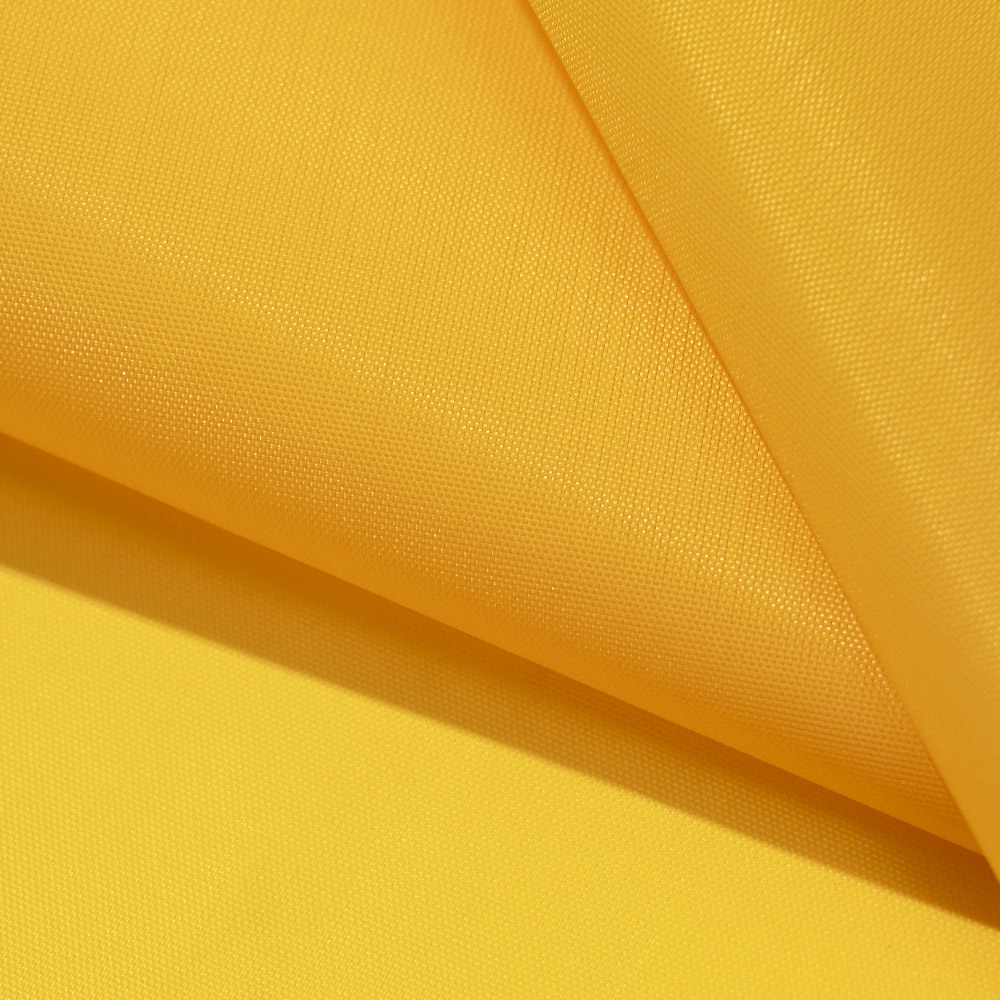
Sublimation fabric is typically made from polyester fabrics that are specially developed to accept sublimation inks. Unlike natural fibers, polyester can bond with dye molecules under heat and pressure, allowing images to become part of the fabric structure rather than sitting on the surface.
Because of this property, sublimation fabric is widely used in banners, garments, soft signage, home textiles, and promotional products.
Sublimation printing is a digital printing method where solid dye is transformed directly into gas using heat. The gas penetrates the polymer-coated surface of polyester fabrics and becomes permanently embedded.
This method delivers durable, fade-resistant, and washable results, making it suitable for both commercial and industrial textile applications.
The sublimation process involves several steps:
First, the design is printed onto special sublimation papers using sublimation printers and sublimation inks. This paper is also known as transfer paper because it transfers the design onto the fabric.
Next, the printed transfer paper is placed on the polyester fabric and processed using a heat press. During this stage, heat and pressure cause the ink to sublimate (turn into gas) and penetrate the polymer coated fibers.
Once cooled, the ink becomes a permanent part of the fabric. The result is a vibrant, washable, and long-lasting print.
Sublimation papers are specially coated papers that hold the ink during printing and release it during heat transfer.
Sublimation printers are designed to work with sublimation inks and provide high-resolution output for textile and signage applications.
Sublimation inks are dye-based inks formulated to sublimate under heat and bond with polyester fibers.
Polyester fabrics used in sublimation are polymer coated or inherently polymer-based, allowing the dye to bond at a molecular level.
Sublimation fabric delivers sharp details, smooth gradients, and vivid colors that do not crack or peel.
Since the ink becomes part of the fabric, prints remain stable after washing and repeated use.
Sublimation fabric is soft, flexible, and easy to fold, making it ideal for banners, displays, and apparel.
Unlike solvent-based printing, sublimation uses water-based inks and produces minimal waste.
| Feature | Sublimation Fabric | Vinyl / PVC Banner |
|---|---|---|
| Material | Polyester fabrics | PVC |
| Printing Method | Dye sublimation | UV / Solvent |
| Print Quality | High quality prints | Medium |
| Washable | Yes | No |
| Flexibility | Soft and foldable | Rigid |
Sublimation fabric is used for banners, apparel, flags, event backdrops, and digital textile printing applications.
Sublimation printing works best on polyester fabrics or polymer coated materials. It does not bond well with pure cotton unless treated with special coatings.
Transfer paper is a special sublimation paper that holds the printed design and releases the dye during heat transfer.
Sublimation fabric is mainly used for indoor and semi-outdoor applications. UV resistance and coating treatments can improve outdoor performance.
Sublimation prints can last for many years because the ink becomes part of the fabric fibers and does not peel or crack.
The basic equipment includes sublimation printers, sublimation inks, sublimation papers, and a heat press.
Sublimation fabric is a polyester-based textile material designed for dye sublimation printing. Through heat and pressure, sublimation inks are transferred from transfer paper into polymer-coated fibers, producing durable and vibrant graphics. This makes sublimation fabric one of the preferred materials for modern digital textile printing, soft signage, and custom textile products.