Last updated: January 2026
This guide explains how sublimation banners work, what materials to choose, how to print them, and how businesses use them for advertising, events, and branding. Whether you are sourcing materials, printing in-house, or launching a new product line, this article covers everything you need to know.
A sublimation banner is a fabric or specially coated surface printed using sublimation printing, a process where heat turns dye into gas and bonds it directly into polyester fibers or coated materials.
Unlike traditional surface printing, the ink becomes part of the material. The result is a banner that looks vibrant, feels soft, and resists cracking, peeling, or fading.
Common products include:
Because the dye is infused into the fabric, the print remains lightweight and flexible even at large sizes.
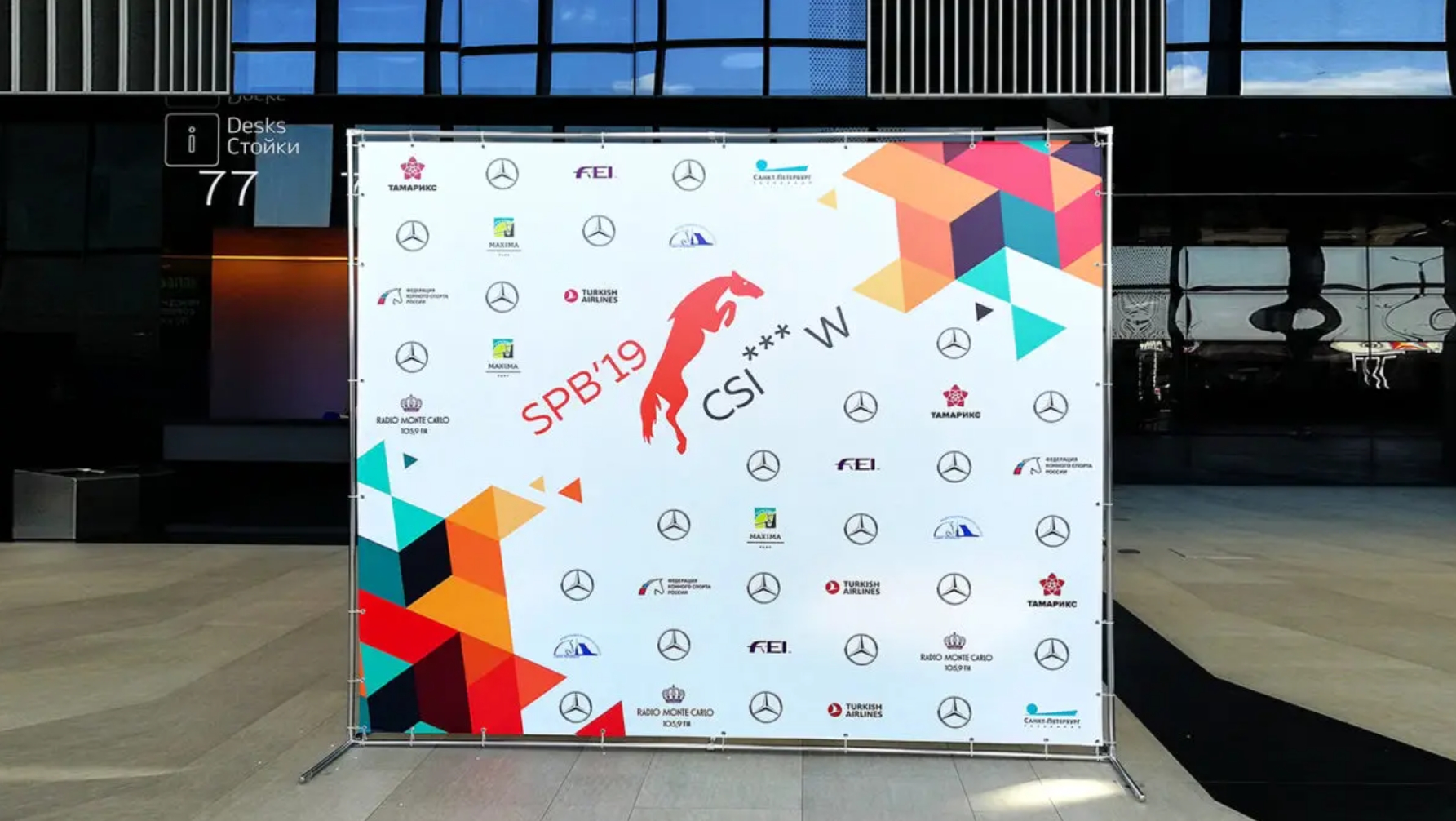
Demand for fabric signage continues to grow worldwide. Businesses are moving away from heavy PVC signage and adopting reusable textile graphics.
Vibrant image quality
Gradients, shadows, and photographic designs reproduce with exceptional clarity.
Durability
The design does not crack or peel because it becomes part of the material.
Washable and reusable
Fabric banners can be folded, shipped, and reused multiple times.
Lightweight logistics
Shipping fabric graphics costs far less than shipping rigid signage.
Eco-friendly direction
Many brands are replacing disposable PVC banners with reusable textile graphics.
The process involves three main steps:
Typical pressing time: 30–60 seconds depending on fabric thickness.
Choosing the right substrate determines print quality, durability, and cost.
Most banners use polyester because sublimation bonds directly with polyester fibers.
Popular fabric options:
| Fabric Type | Typical Use |
|---|---|
| Woven flag fabric | Flags and outdoor banners |
| Warp-knit fabric | Trade show graphics |
| Satin fabric | Indoor displays |
| Oxford fabric | Durable signage |
These materials are widely sold as sublimation blank fabric rolls ready for printing.
Some vinyl materials are specially coated for dye sublimation.
Best for:
Canvas provides a textured finish and is often used for:
A sublimation blank banner is a ready-to-print product manufactured without graphics.
Types include:
These blanks allow print shops and resellers to create custom designs quickly.
Correct temperature and pressure determine final quality.
| Setting | Recommended Range |
|---|---|
| Temperature | 190–205°C (375–400°F) |
| Time | 30–60 seconds |
| Pressure | Medium to firm |
Thicker fabrics may require longer pressing times.
Large displays are one of the fastest-growing segments of dye sublimation.
Typical applications:
A sublimation backdrop can be folded into a small box and transported worldwide, which explains its popularity in events and trade shows.
Best materials:
Benefits:
Best materials:
Benefits:
Outdoor banners typically last 6–24 months depending on climate.
| Feature | Dye Sublimation | Solvent/UV Printing |
|---|---|---|
| Print feel | Soft fabric | Rigid surface |
| Color quality | Photographic | Good but less vibrant |
| Reusability | Foldable & washable | Difficult to fold |
| Shipping cost | Low | Higher |
| Eco direction | Textile reuse | PVC disposal concerns |
This shift explains the rapid growth of textile signage worldwide.
Avoid these frequent issues:
Using low-polyester materials
Sublimation works best on polyester or coated surfaces.
Incorrect heat press settings
Too little heat causes dull colors. Too much heat can scorch fabric.
Poor color management
Use ICC profiles designed for sublimation ink and fabric.
Uneven pressure
Leads to patchy or blurry prints.
Low-quality sublimation blank materials
Fabric quality directly affects final results.
When sourcing materials, evaluate:
Reliable materials reduce reprints and improve customer satisfaction.
Sublimation banners are widely used in:
Their flexibility makes them suitable for both short-term campaigns and long-term branding.
Polyester fabric such as warp-knit, satin, and oxford fabric produces bright, durable prints. Vinyl is often chosen for outdoor environments.
No. It works best on polyester or specially coated materials.
Typically 6–24 months depending on sun exposure and weather.
Polyester banners resist moisture but are not fully waterproof unless coated.
Yes. Most polyester banners can be machine washed and reused many times.
Large-format calendar heat presses or rotary heat presses are commonly used for banner production.
Reusable fabric signage reduces single-use PVC waste and shipping emissions.
Sublimation banners combine vivid print quality, lightweight logistics, and long-term usability. From small custom prints to massive exhibition backdrops, dye sublimation continues to reshape the signage industry in 2026.
Businesses that invest in high quality sublimation blank materials, proper heat press equipment, and reliable sublimation printing workflows can deliver durable and visually striking banner solutions for years to come.