
Sublimation fabric is the foundation of modern textile printing. Whether you run a print shop, sell custom merchandise, or source materials in bulk, understanding sublimation fabric helps you achieve brighter colors, durable prints, and efficient production.
This guide explains how sublimation printing works, the best material choices, fabric types, equipment, and common production questions.
Sublimation fabric is polyester or polyester-blend textile designed for dye sublimation printing. During printing, heat turns solid dye into gas that bonds with polyester fibers. Instead of sitting on top of the surface, the design becomes part of the fabric.
Definition:
Sublimation fabric is polyester or polyester-blend material designed to permanently absorb dye during the heat transfer process.
This method produces long-lasting prints that do not crack, peel, or fade easily.
Dye sublimation uses heat transfer and pressure to embed ink into polyester fibers.
The result is a smooth, permanent print with photo-quality detail.
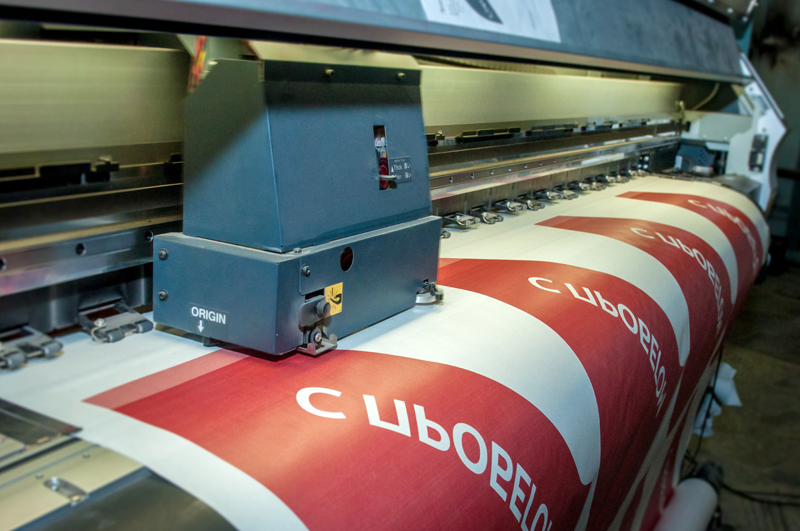
In industrial textile production, sublimation printing usually follows a roll-to-roll workflow.
The process begins with a computer-generated design printed using specialized sublimation printers and sublimation ink. Manufacturers typically print onto fabrics designed for large fabric roll production.
Common fabrics used include:
At this stage, the printed design appears muted because the ink is still in a solid form made of microscopic dye particles.
The transformation happens during the heating stage. The printed fabric pass through a rotary heat press or oven system. Under high temperature, the ink changes from solid to gas and penetrates the polyester fibers.
After cooling, the fabric reveals bright colors and a glossy finish. This method supports both single-sided and double-sided printing.
Polyester works best because sublimation dye bonds with polymer fibers.
Cotton and natural fibers lack this polymer structure, which means the dye cannot permanently attach.
If printing on dark cotton, many businesses use sublimation HTV for dark fabric as an alternative.
Different projects require different fabrics.
Smooth surface, ideal for t-shirts and sportswear.
Stretchable fabric for leggings and activewear.
Lightweight fabric used for flags and banners.
Glossy surface for fashion and décor products.
Breathable fabric for jerseys and uniforms.
Most commercial suppliers provide these fabrics in bulk roll format.
Professional production uses fabric rolls instead of sheets.
Small businesses and hobby users may still use fabric sheets for small heat press projects.
For most applications:
100% polyester fabric delivers the best results.
Recommended fabric weights:
White or light-colored fabrics produce the most vibrant prints.
| Feature | Sublimation Printing | Heat Transfer Vinyl |
|---|---|---|
| Print texture | No texture | Raised surface |
| Durability | Permanent | May peel |
| Color range | Full color | Limited colors |
| Best use | Polyester fabric | Cotton & dark fabric |
For cotton or dark garments, sublimation HTV becomes a useful solution.
Polyester or polyester-spandex, 130–160 GSM.
Lightweight polyester for airflow and outdoor use.
Brushed polyester for blankets and pillows.
Interlock polyester for t-shirts, bags, and accessories.
Typical setup includes:
Many suppliers offer bulk purchasing and free shipping for wholesale orders.
Dull colors
Often caused by low polyester content or incorrect heat settings.
Ghosting
Occurs when paper or fabric shifts during pressing.
Fading after washing
Usually due to insufficient temperature or pressure.
Most issues relate to fabric quality or incorrect production settings.
These benefits explain why dye sublimation continues to grow across sportswear, advertising, décor, and custom merchandise industries.
100% polyester fabric gives the strongest color and durability.
Not directly. Cotton requires sublimation HTV or a coating.
Yes, a dedicated sublimation printer is required.
White or light colors produce the most accurate prints.
For polyester products and full-color designs, sublimation lasts longer and produces smoother prints.
Fabric rolls reduce cost, increase speed, and support large-scale printing.
Sublimation fabric enables long-lasting, high-quality textile printing for apparel, signage, home décor, and promotional products. With the right materials, equipment, and production setup, businesses can scale efficiently and produce consistent results.