banner

Sublimation Fabric

What is Sublimation Fabric?

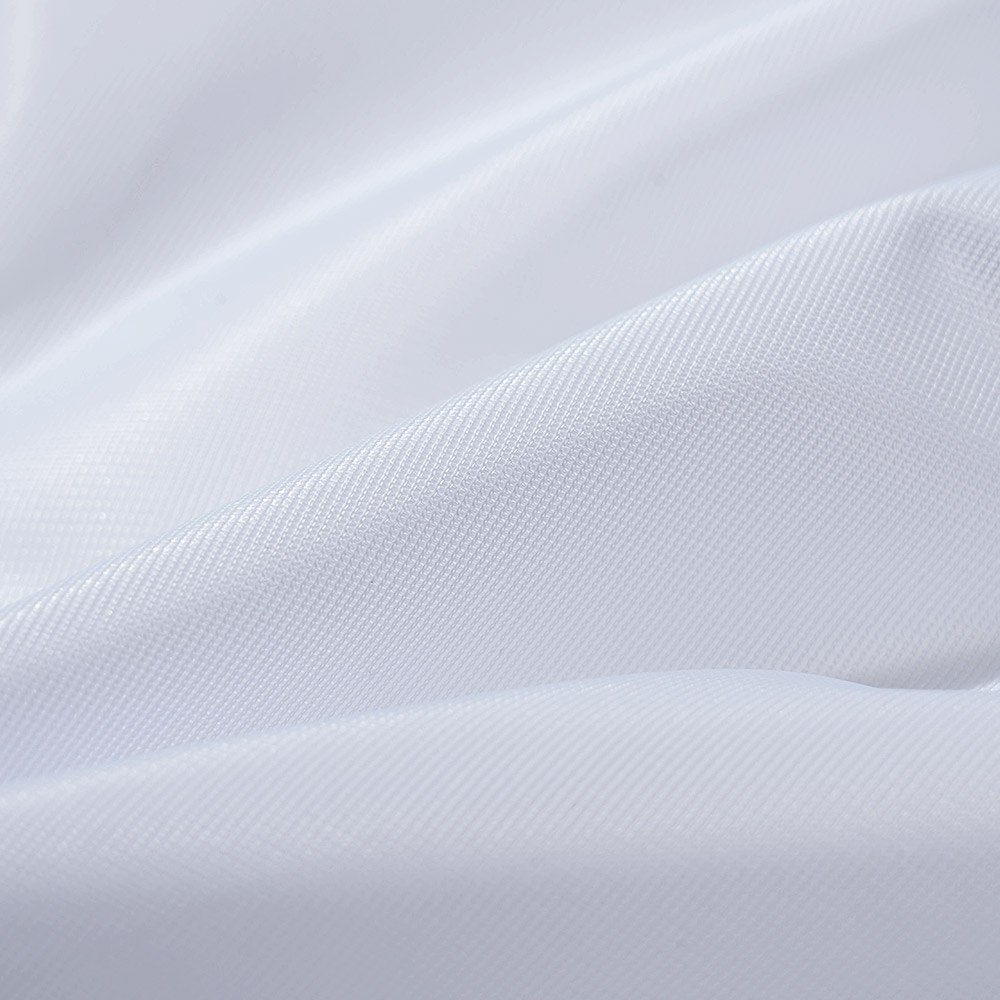
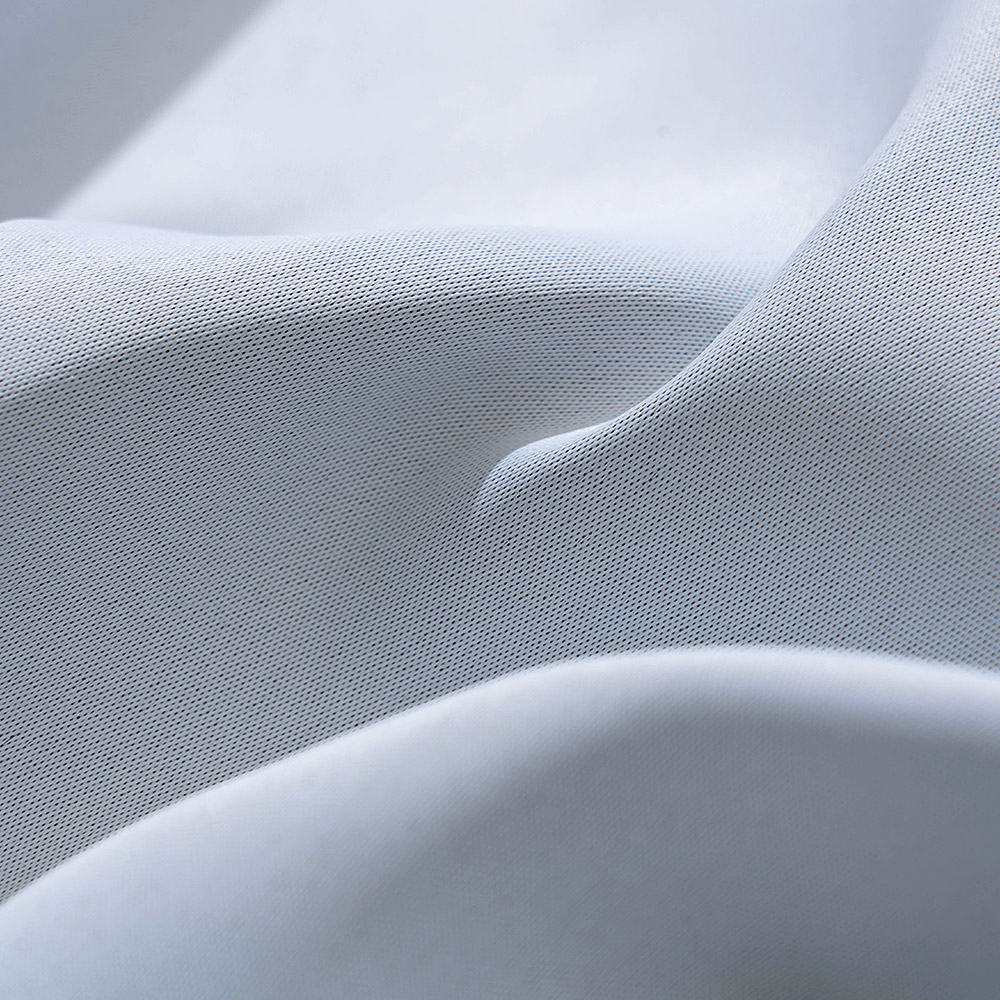
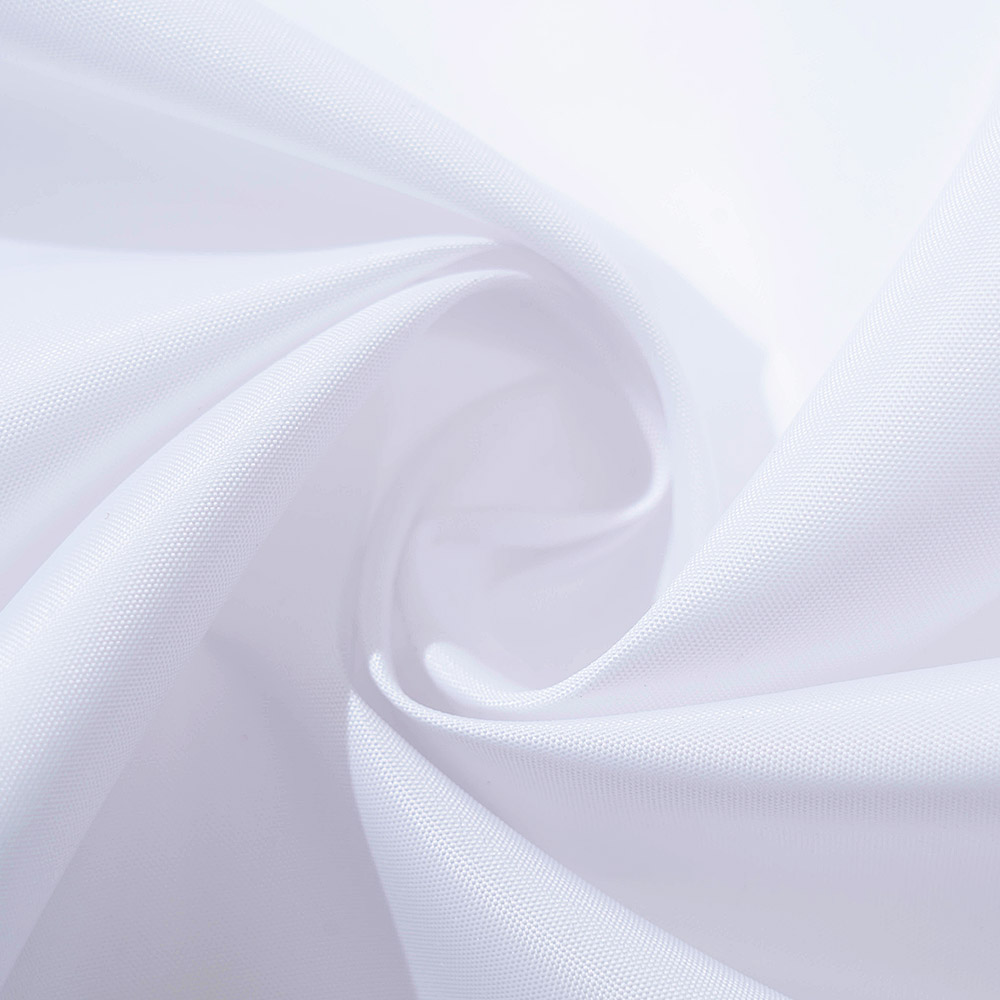
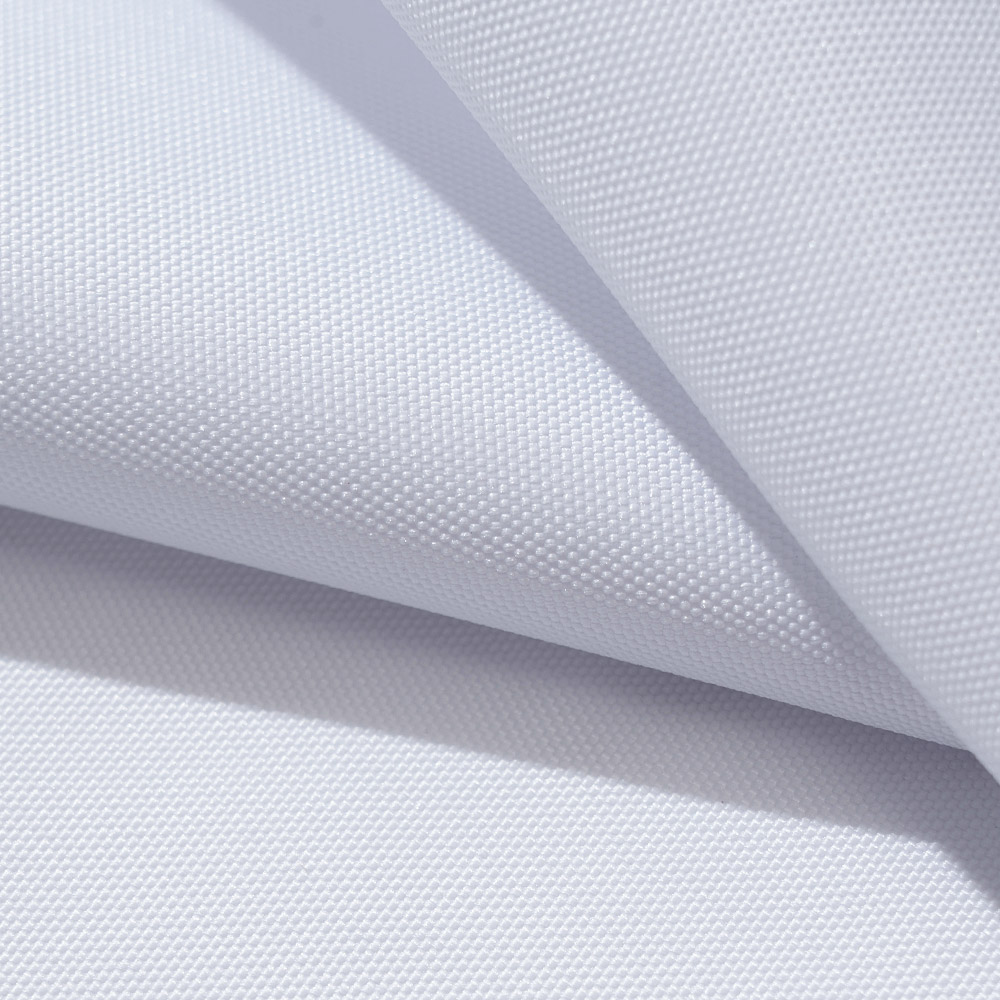
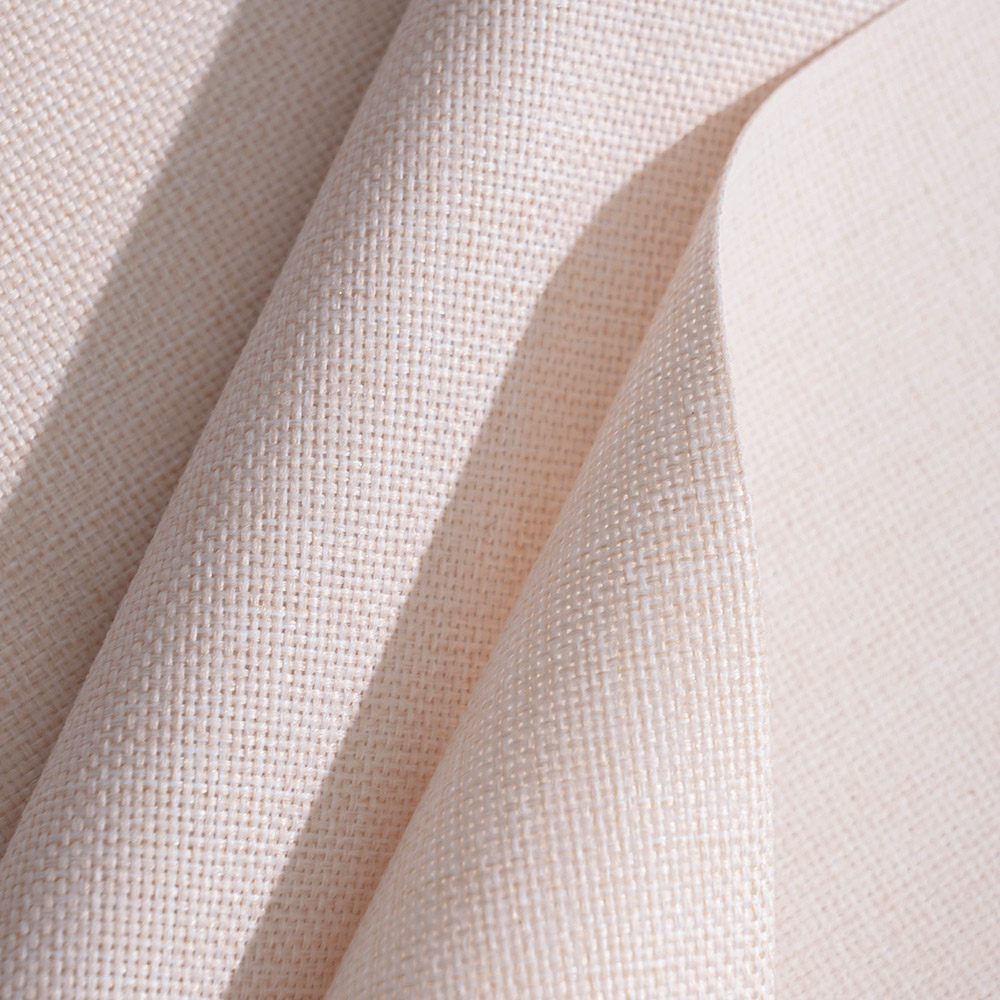
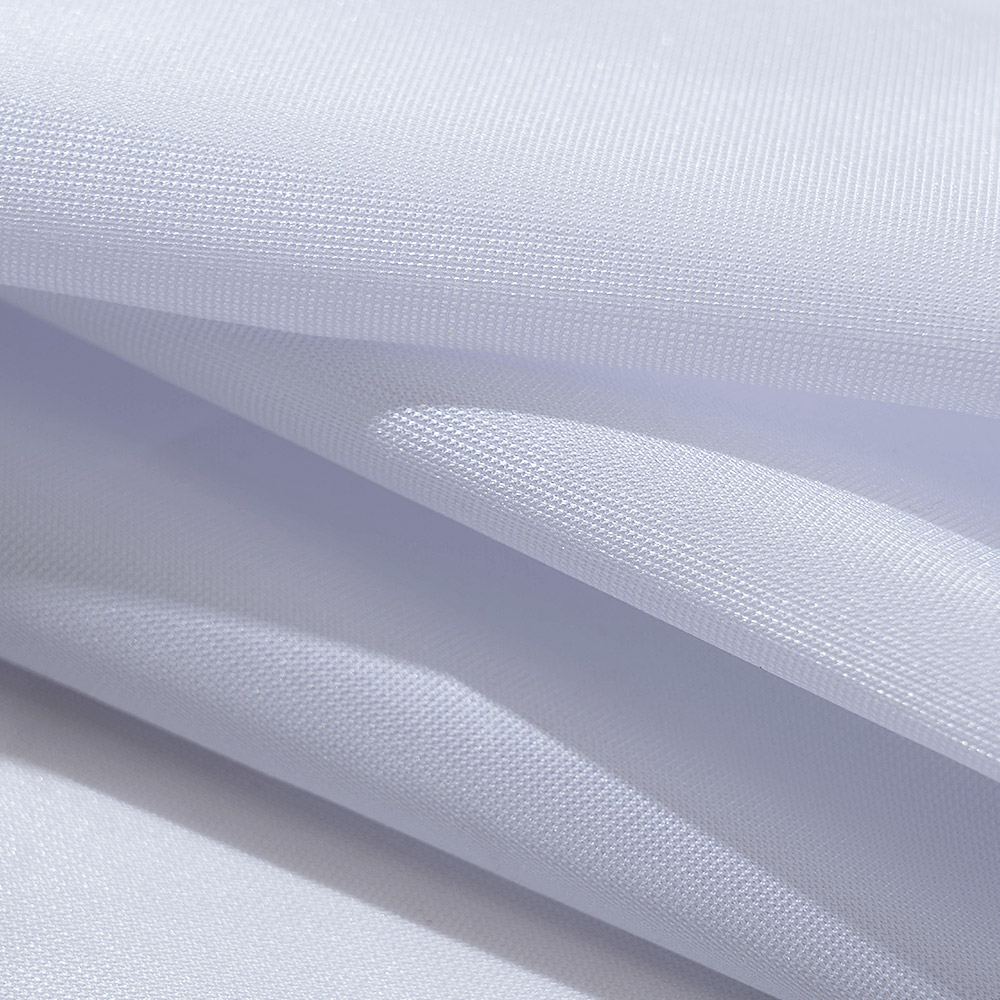
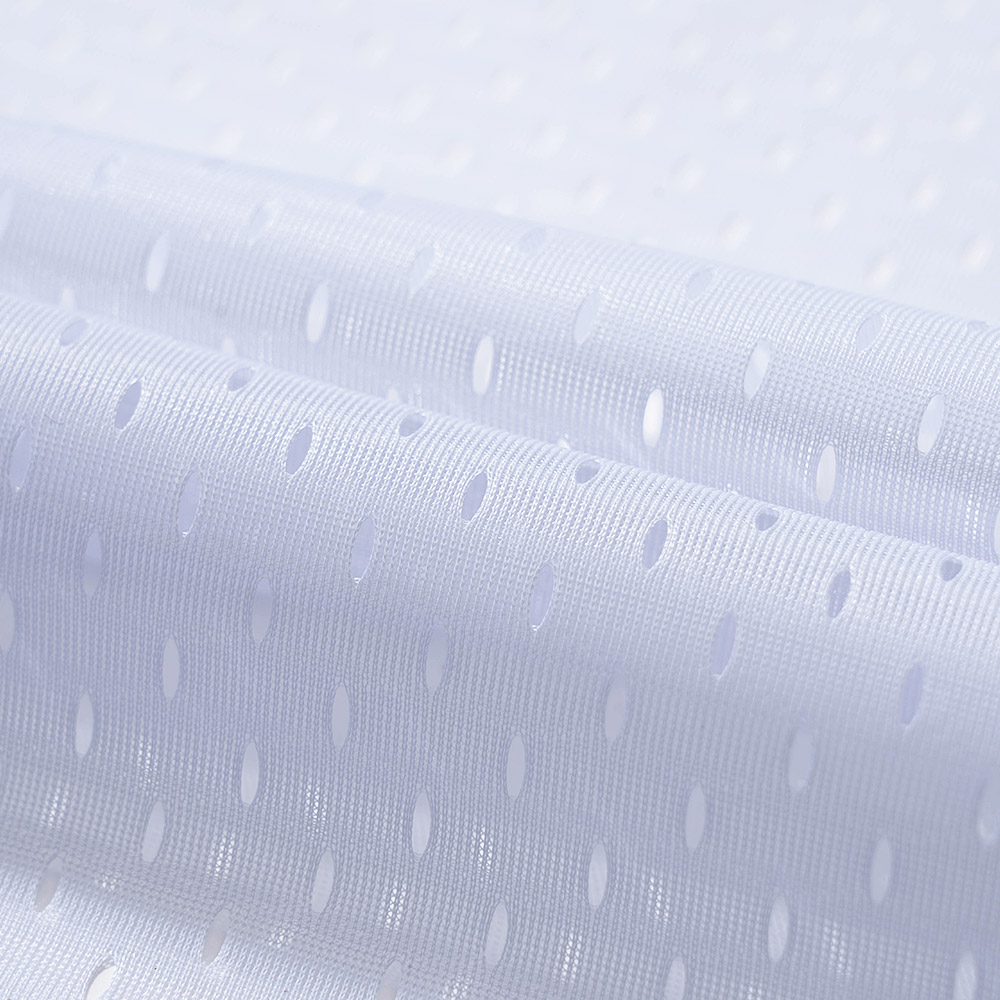
Sublimation fabric refers to textiles specifically designed to support the dye sublimation printing process, a popular technique for transferring high-quality, vibrant designs onto fabric. Sublimation fabric printing is highly valued in industries such as advertising, fashion, and interior design for its ability to produce long-lasting and vividly colorful results.

What Material is Best for Sublimation?

When considering what material is best for sublimation, polyester emerges as the top choice. Sublimation works by converting sublimation inks into gas using heat sublimation and transferring the design directly onto the fabric’s fibers. Polyester’s synthetic nature allows it to bond effectively with sublimation inks, resulting in vibrant colors and sharp details. Other materials, such as blends with a high polyester content, may also be suitable, but natural fabrics like cotton are generally not ideal unless treated with a sublimation coating.

Popular Fabrics for Sublimation Printing

Several types of fabrics are commonly used for sublimation printing:

  • Polyester Fabric: The most common and reliable choice, ensuring excellent color retention and durability.
  • Flag Fabric: Lightweight polyester material used for creating flags, banners, and outdoor displays.
  • Sublimation Textiles: A broad category encompassing various polyester-based fabrics optimized for sublimation.

These materials provide an ideal base for sublimation transfer processes, allowing high-quality results for both indoor and outdoor applications.

The Sublimation Fabric Printing Process

There are two main methods for sublimation fabric printing:

Method 1: Using Sublimation Transfer Paper

  1. Design Creation: A digital design is printed onto sublimation transfer paper using a dye sublimation printer.
  2. Heat Transfer: The transfer paper is placed on the fabric, and a heat press applies high temperature and pressure, turning the ink into gas.
  3. Final Result: The gaseous ink embeds itself into the polyester fibers, producing vibrant, permanent designs resistant to fading and cracking.

Method 2: Direct Sublimation Printing

  1. Direct Printing: The design is printed directly onto sublimation-ready fabric, such as woven flag fabric, oxford fabric, warp-knit fabric or satin, using a sublimation printer.
  2. Heat Activation: The printed fabric is placed in a special oven where the ink, initially solid, transitions to a gas at high temperatures.
  3. Enhanced Finish: This process produces glossy and vibrant colors, suitable for both single-sided and double-sided printing.

Both methods create durable and visually striking results, ideal for applications like banners, flags, and backdrops.

Benefits of Sublimation Printing on Fabric

  • Vivid Colors: The heat sublimation process ensures bright and bold colors that remain vibrant over time.
  • Durability: Designs are embedded into the fabric, making them resistant to wear and tear.
  • Versatility: Sublimation is ideal for producing flags, banners, sportswear, and customized apparel.

Applications of Sublimation Fabric

Sublimation textiles are widely used in various industries:

  • Advertising: Flag fabric and banners for promotional displays.
  • Fashion: Customized apparel, including activewear and team uniforms.
  • Home Decor: Sublimated curtains, pillow covers, and upholstery.

Choosing the Right Sublimation Supplies

To achieve the best results, selecting the right equipment and materials is crucial:

  • Dye Sublimation Printer for Fabric: High-quality printers designed for precision and color accuracy.
  • Sublimation Inks: Specially formulated inks that convert into gas during the sublimation process.
  • Sublimation Transfer Paper: Optimized for holding and transferring ink to fabric efficiently.

Conclusion

Sublimation fabric is an essential component in dye sublimation printing, offering endless possibilities for vibrant and durable designs. Whether you're working with flag fabric for outdoor displays or sublimation polyester for apparel, the results of this innovative technique are truly unmatched in quality and versatility.
Related Products:
FAQs
Why is polyester required for dye sublimation printing?
Dye sublimation ink chemically bonds with polyester molecules under high temperature (180–210°C).

Natural fibers such as cotton cannot form this bond, which is why 100% polyester or high-polyester blends are essential for sublimation printing.
What are the main applications of sublimation fabrics?
Sublimation fabrics are widely used for:Flags and banners Trade show displays and exhibition graphics Sportswear and team uniforms Soft signage and retail displays Backdrops and photo walls Home décor textiles This versatility makes sublimation fabric ideal for both indoor and outdoor visual communication.
What are the advantages of sublimation banner fabric?
Key benefits include:Ultra-vivid colors and photo-quality printing Excellent wash and weather resistance Lightweight and wrinkle resistant Breathable and wind-permeable Eco-friendly printing with low waste These features make sublimation banner fabric the preferred choice for advertising and display industries.
How long do sublimation prints last?
With proper use, sublimation prints can last 3–5 years outdoors and significantly longer indoors without noticeable fading or cracking.
What should I consider when choosing a sublimation fabric supplier?
Key factors include:In-house weaving and dyeing capabilities Consistent fabric quality and color control High production capacity Global export experience R&D and customization ability These factors ensure stable supply and reliable printing performance.
Online Message
Code